





Sweet Bonanza

Sweet Bonanza Review for Poland

Learn the rules, betting limits, and session control in Poland - briefly, without hype, with emphasis on limits and adult gaming.

Sweet Bonanza demo
reviews image 1
Sweet Bonanza

How to Read Sweet Bonanza RTP Before a Session

Imagine you have a free evening and want to spin a few rounds, but you don’t want to go in completely blind. On one hand, fast-paced gameplay is tempting, but on the other, you’d rather not end your session with the feeling that things moved too quickly. In such moments, it’s valuable to understand what “Return to Player” (RTP) really means and how to use it to plan your session—not anticipate outcomes.

The RTP parameter describes the game’s design over the long term. It is not a promise for a single session, but rather how the slot has been statistically programmed. Therefore, it’s better to think of RTP as a map of your playing style: it helps you choose bet size, number of spins, and session duration, but it does not tell you what will happen next. A common player mistake is assuming that after a few losing rounds, “it’s bound to turn around”—and that’s precisely when chasing losses begins.

In practice, the number itself matters less than combining RTP with volatility. Volatility indicates whether hits tend to be smaller but more frequent, or rarer but potentially larger. If you're playing briefly—for example, during a break, on a tram, or between meetings—you’ll want a steadier pace and stricter limits, as a fast tempo can drain your budget before you even notice. If you’re planning a longer session, scheduling breaks becomes essential: even two-minute pauses every dozen spins can help prevent impulsive decisions.

In 2026, most sessions occur on mobile devices, so controlling tempo introduces an additional layer of challenge. Fast animations, autospins, and easy deposit access act as accelerants. That’s why I recommend a simple rule: first, set your time and budget limits for the session, and only then choose your bet and start playing. This doesn’t remove the excitement—it ensures emotions don’t take the wheel.

Sweet Bonanza

Top casinos for playing Sweet Bonanza — current list

ALF Casino

ALF Casino

Mafia Casino

Mafia Casino

SG Casino

SG Casino

Retro Bet

Retro Bet

leovegas

LeoVegas

Sweet Bonanza

What Sweet Bonanza Reviews Bring for New Players

Imagine typing the game name and seeing dozens of reviews, half of which sound like they were copied from a single template. You want specifics: is it convenient on mobile, is gameplay dynamic, how easy is it to maintain consistent betting. That’s why reviews only make sense when they describe real experience—what the player actually does, what settings they choose, and when they decide to take a break.

First, separate the review of the slot itself from the review of the platform. They’re two different things. The slot may have a great vibe and rhythm, but the platform may vary in how limits are set, payment methods, and support quality. A good review doesn’t pretend to know the “one ideal way” to play—it instead presents various scenarios: a short session on mobile, a longer one on a computer, calm play vs. fast-paced sessions.

In reviews, the most valuable info concerns ergonomics. Can you see bet and balance without scrolling? Is changing tempo easy? Do autospins offer sensible settings and reminders? If the author only writes “great, I recommend it,” without showing their actual playstyle, they’re not giving you any decision-making tools. In 2026, comfort matters: if the interface forces you to constantly tap and search for options, error risk increases—especially on small screens.

The best way to use reviews is as a filter: choose 2–3 concrete takeaways you can test—e.g., “the tempo pulls me in,” “it’s easy to keep a steady bet,” “it’s worth playing in blocks.” Then run your own controlled test: set time and bet limits, and take scheduled breaks. If the game is available in Poland through licensed operators and intended for adults, responsible gambling tools should also be available—use them before your first spin, not after.

Sweet Bonanza

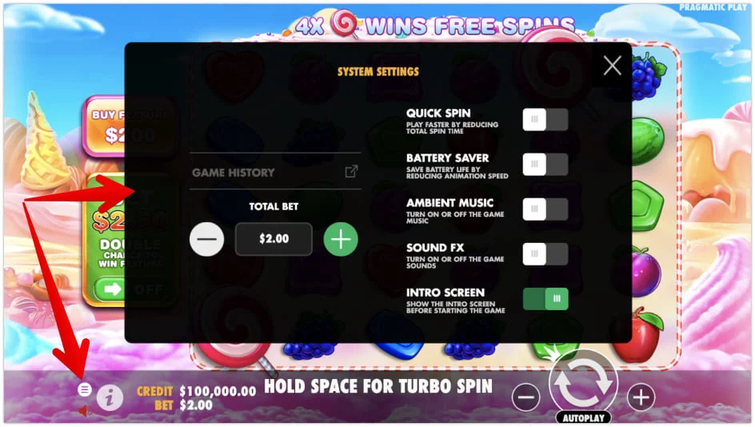
Settings That Make a Difference

Imagine you start the game “just for a minute,” only to realize five minutes later that the tempo is faster than you expected. That’s normal—slots are designed to make spins fluid and engaging. That’s why your most important decisions happen before clicking begins: bet size, spin tempo, and break planning.

In practice, control becomes a small routine: set your spin value, check tempo options, silence distractions (on mobile, this often means notifications), and then play in blocks. If you feel “carried away” after a big win, pause and return to your plan. The biggest mistakes don’t come from lack of knowledge—they come from rushing.

Bet and Spin Tempo Without Chasing

Imagine you plan a fixed evening budget but don’t calculate how many spins you’ll realistically make. Before long, the bet seems “harmless,” yet your balance drops faster than expected because the tempo is high. Instead of boosting mood with higher bets, it’s smarter to first assess your session’s rhythm: how many minutes you’ll play and how many spins fit within that timeframe, given your current tempo.

A simple model works well: divide your budget into blocks, each with a set number of spins. Keep a constant bet within each block and avoid adjusting it at the first sign of frustration. If you want more dynamic action, don’t change two variables at once—either increase the bet and slow the tempo, or speed up and keep the bet steady. This setup reduces chaos, and chaos is the main fuel for chasing losses.

It’s also worthwhile to set a “stop” limit before starting. This isn’t about grand declarations, just a simple rule: end the session after reaching a predetermined threshold. No negotiation, no “just five more minutes.” When the rule is clear, emotions have less room to take over.

Autospins, Reminders, and Mobile Play

Imagine turning on autospins while replying to messages. Minutes pass, and you can’t recall what actually happened—your attention was elsewhere. That’s when poor decisions are most likely: “I’ll recover,” “I’ll increase,” “I’ll stay longer,” because the session feels out of control.

If you use autospins, treat them as a tool for short series—not endless mode. Set a low spin count, pause after each series, check your budget and time, and ask yourself one question: am I playing intentionally or on autopilot? On mobile, focus mode and silencing notifications help significantly, since any distraction increases the risk of impulsive taps.

In 2026, mobile is the most common device for short sessions, so autospins require more discipline than on PC. If you sense you're slipping into automatic play, return to manual spins. This is the simplest brake—it forces micro-pauses and gives you time to decide.

Demo Mode and Learning the Interface at Your Own Pace

It happens: a player jumps into a game immediately and clicks away, only to realize minutes later where to change bet, tempo, or sound. Demo mode (if available on the platform) lets you practice these actions without outcome pressure. It’s a good space to test whether you prefer slower rhythms or fast series—and whether you can actually take breaks when emotions rise.

Best practice is to simulate a real session: set a time limit, run a spin block, take a break, then another block. This trains not just game knowledge, but also self-awareness. If you already feel the urge to speed up after losing streaks in demo mode, set stricter limits or shorten playtime for real sessions.

Bonus Features and Risk Control in a Session

Imagine hitting an exciting moment and immediately feeling the urge to “go harder.” In such cases, the real risk isn’t the game itself—it’s your decision to change your plan mid-session. Bonus features (availability varies by game version and operator) should be seen as entertainment, not shortcuts to winning.

The safety rule is simple: don’t add emotional risk. If you planned a short block, stick to it. If you want a more intense scenario, plan it in advance: separate budget, time limit, and break after completion. This way, your decision stays conscious, not forced by the moment.

reviews image 2
Sweet Bonanza

Deposits, Withdrawals, and Limits on the Platform in Poland

Imagine you’ve planned a short session and one deposit, yet after a losing streak, the thought appears: “I’ll add just a bit more—I’m having an unlucky day.” This is exactly when you need settings, not motivation. In Poland, payment and withdrawal methods vary by operator, but control tools should be part of a healthy routine for adult users.

Transparency helps the most: transaction history, simple deposit/time limits, and the ability to pause without clever rationalizing. Instead of treating deposits as “rescues,” include them as part of your plan. A simple plan: one deposit per session, and when the budget runs out—the session ends. No cramming extra funds, no chasing losses.

Control Element

What to Set Before Playing

Why This Works

Practical Habit

Session Budget

Fixed amount per session

Blocks impulse betting

One deposit and done

Session Time Limit

Session duration + reminders

Protects against “just one more”

Play in blocks

Loss Threshold

Boundary after which you stop

Stops chasing losses

Write down your rule before starting

Time Break

Pause for a Specified Time

Gives an emotional reset

Use after a stressful day

Transaction History

Overview of deposits and withdrawals

Facilitates habit analysis

Check after a session

Deposits Without Adding In Emotion

Imagine depositing funds “for a moment,” and then the session stretches on, prompting you to treat the next deposit as a quick mood booster. That’s a trap, as the financial decision then stems from frustration, not from planning. The best rule is one deposit per session—with no exceptions.

If you wish to play longer, plan it in advance: larger budget, extended time limit, breaks between blocks. Don’t do it mid-session. In practice, it’s precisely the “top-up” that makes a session nervous. When you stick to a single deposit, it’s easier to end calmly—even if the outcome isn’t perfect.

A simple trick also works well: after depositing, set a time limit and only then start playing. This reduces the risk of trying to “save” the session with money. Instead, you’ll be saving your plan—and a plan is far more stable.

Withdrawals And Verification Without Rush

Imagine finishing a session and wanting to close the withdrawal matter immediately, but an extra step appears in your profile. Instead of getting stressed, approach it like a process: status, method, completeness of data. Processing time depends on the chosen method and the operator’s security procedures, so anxiously refreshing only heightens tension.

The best practice is handling formalities “with a clear head.” Complete your profile and account settings on a day when you're not playing, have time, and patience. Then, when withdrawal time comes, you’ll proceed without pressure. If something takes longer, check the status in the dashboard and return to your life, rather than building stress around minutes and hours.

Mindset matters too: the withdrawal should be part of responsible play—not the emotional climax of the day. If the subject of withdrawal causes tension, treat it as a signal to take a break from gaming. Adult entertainment should provide rest, not additional stress.

Support And Account Safety Every Day

Imagine you’re unclear about something and send several messages in a row, each carrying a different emotion. Then the conversation lengthens because the support agent must sort through the chaos. The most effective message is short and specific: what happened, when, what status you’re seeing, and what you need.

Account security starts with basics: unique password, consistent contact details, optional login confirmations (if offered by the operator). These aren’t technical quirks—they’re tools that save stress. When your profile is in order, account recovery is faster, and every support request involves fewer steps.

In 2026, many use their phones, so distraction is a real risk. Treat login and account settings like a “quiet zone”: do them during a calm moment—not in a rush. The less rush you have with account matters, the calmer your gaming becomes.

Sweet Bonanza

Session Strategy And Responsible Play In 2026

Imagine starting for “just a moment,” and half an hour passes before you even realize when it began. That needn’t be a problem if you have a plan. The issue starts when there’s no plan, and every decision emerges from emotion. In 2026, with easy mobile access, the key is playing within limits—for adults, with time and budget control.

The best strategy isn’t a “winning secret,” but routine. Routine defeats impulse because it works even on tough days. Define three things and stick to them: budget, time, breaks. The rest—speed, auto spins, settings—should be additions, not control levers.

Session Planning in Three Numbers: Amount, Time, Blocks

Imagine entering a game with no plan and only after a few minutes do you start calculating how much you've spent. By then, it’s too late for calm decisions, as emotions have already taken over. A better approach: set your session amount, establish a time limit, and divide gameplay into blocks (e.g., several short spin series with breaks in between).

Each block has a fixed stake and a short break to check your mood. It sounds simple, but it works—because the break is the moment you return to your role as the decision-maker. If during the break you notice you want to “catch up,” you either end the session or take a longer pause. If you feel calm, you can do another block—still within your limits.

In practice, blocks are an antidote to vanishing time—especially on phones, where everything is within reach and it’s easy to lose track of session duration.

Loss Threshold And Win Goal Without Myths

Imagine being slightly in the red and feeling you “must recover.” This is when the risk of chaotically changing stake and speed increases. A loss threshold acts as a barrier—once crossed, you stop, no negotiations. This is the most important rule if you want to avoid chasing losses.

A win goal can also help, but only if realistic. An overly high goal provokes risk-taking because you start playing “for the goal,” not for entertainment. A reasonable goal is one at which you can exit calmly, without the feeling of “just a little more.” Exiting the game should be seen as a normal part of the session—not a dramatic decision.

The best test of any rule is simplicity: can you follow it when you’re tired? If not, make it stricter or shorten the session. Responsible play is a system that works in difficult moments.

Breaks, Focus, And Speed Control On Phone

Imagine playing on your phone and receiving a notification every few moments. Each distraction gives you a chance to click automatically. Thus, breaks aren’t just resting—they’re also a control tool. Set focus mode, mute notifications, and play in short blocks.

After each block, take a pause: put the phone down, stand up, drink some water, and return only after a short while. This seems trivial, but it works like an emotional reset. If you sense the tempo rising, return to manual spins and slow animations. Controlling tempo matters more than “more spins per minute.”

In 2026, it’s tempo that is the silent enemy of your budget. Slowing down helps you see more and decide better. Speeding up makes it easier to slip into “just one more” mode.

Timeout And Self-Exclusion As Safeguards

Imagine you’re having a stressful day and want to “vent” through gaming. That’s the moment when impulse risk rises the most. Timeout (time break) is then the best safeguard—you block access for a set period and give yourself space for emotions to subside.

Self-exclusion is a solution for people who see a repeating pattern of boundary violations. It’s a protective tool, not a label. If limits and breaks aren’t enough, a longer block can be a sensible decision. The most important thing is ensuring entertainment remains entertainment—not a way to battle emotions.

Also useful is a simple daily rule: if you’re tired, irritable, or can’t stop thinking about “catching up,” don’t start a session. That’s the most mature move possible with slot games.
reviews image 3

How to Read Reviews and Test the Game Yourself

Imagine reading reviews where everyone describes something different—because everyone plays differently. Some prefer fast tempo, others slower, longer sessions; some take breaks, some don’t. That’s why the best approach combines reviews with your own test in controlled conditions: time limit, fixed stake, breaks. That way, you’ll know whether the game fits *you*, not others’ emotions.

Reviews are most useful when describing player behavior: when tempo increases, when stopping occurs, what distracts them, and how they react to a series of losses. If a review is full of vague generalizations, treat it as advertising. In 2026, reliability shows in details: phone ergonomics, clarity of settings, ease of session control.

Pre-First Session Checklist for Poland

Imagine playing for the first time and wanting to avoid learning the hard way. Make a 5-step checklist: set a budget, set a time limit, decide on number of blocks, pick a fixed stake per block, plan breaks. Only then start.

Don’t change several things at once mid-session. If you want to speed up—don’t raise the stake. If you want to raise the stake—slow down tempo and play manually. After the session, spend one minute reflecting: did you stick to the time limit? Were you tempted to top up? At what point did emotions rise? Such brief analysis builds better habits faster than reading “golden tips” after tip.

If playing on phone, add one more item to your checklist: focus mode and muted notifications. It seems minor, but often determines whether you play consciously or between message interruptions. Conscious play means calmer play.

FAQ

How to set budget and time limit before playing?

Imagine you start for “just a moment,” then realize an hour passed and your budget vanished. The simplest solution is planning in blocks: set your session amount, establish a time limit, and divide gameplay into short spin series with breaks. In each block, keep a fixed stake, and only after a break decide whether to continue. If the platform allows, set deposit and time reminder limits—so the system helps you stop before “just one more” kicks in. This approach is especially vital for mobile play, where tempo easily grows unnoticed.

What does RTP mean and why isn’t it a promise?

Imagine seeing an RTP figure and thinking it tells how much you’ll get back in one session. This is a common misunderstanding. RTP describes the game’s design statistically over the long term, while a single session can be entirely different—calm one time, volatile another. Therefore, it’s wise to combine this info with volatility and your own plan: short duration, fixed stake, breaks, and loss threshold. In practice, session control gives more peace of mind than analyzing a number in the description—because *your* decisions on time and budget determine whether play remains adult entertainment.

How to understand the phrase Sweet Bonanza how to win without myths?

Imagine typing this phrase and getting promises of a “winning method,” as if the game hid a success button. Slot games offer no guaranteed-result method—but you *can* improve session quality: controlling stake, tempo, time, and breaks so decisions aren’t made in emotion. The real “winners” are those who stick to their plan: one deposit per session, time limit, block rhythm, and a loss threshold beyond which they stop without discussion. If you wish to approach play rationally, treat this phrase as encouragement to learn session management—not a promise of guaranteed hits. Responsible habits protect both budget and psyche.

Are auto spins a good idea on phone?

Imagine starting a series while replying to messages—soon you lose orientation and feel the session “did itself.” Auto spins can be convenient, but on phones they require greater discipline: short series, break after each, quick check of budget and time. If you sense playing on autopilot, return to manual spins, as they naturally slow down and increase control. Also, mute notifications and play in blocks—mobile distractions are the most common cause of impulsive decisions.

When to take a break and when to end a session?

Imagine after several losing rounds feeling irritation and speeding up to “move things.” That’s a signal for a break: finish the current block, put the phone aside, take a few minutes’ pause, and only return once emotions subside. Ending the session is best when the thought “I’ll catch up” arises, or when you want to change several settings at once—this usually means chasing results. A pre-set loss threshold also helps—if you breach it, you stop without negotiation. That’s not failure, but a control tool letting you keep play within adult entertainment.

What to check when withdrawal takes longer than expected?

Imagine refreshing status every few minutes as stress builds—though nothing actually speeds up the process. First, check operation status in the dashboard and ensure your profile data is complete and up-to-date—lack of consistent info is a common cause of extra steps. Processing time can depend on the method and the operator’s security procedures, so it’s better to allow it time rather than heighten tension. If you need support, write clearly: method, approximate order time, and current status visible in your account—then wait for a reply without sending multiple messages in a row. Calmer communication yields more meaningful answers faster.

How to distinguish a reliable review from marketing?

Imagine reading a review full of superlatives, but not one detail about how the game behaves on phone or how stake control works. A reliable review describes the process: session planning, breaks, tempo settings, reactions to loss streaks, and how the author stuck to budget. Marketing usually promises emotions and “easy” takeaways but says nothing about what to do during tough moments—like temptation to top up. The best filter is this question: after reading the review, can you build your own checklist (budget, time, blocks, breaks)? If yes—it’s practical material. If not—treat it as noise and run your own short, controlled test.

Play Now
🇬🇧 English